top of page

Tales of the twisted
podcast
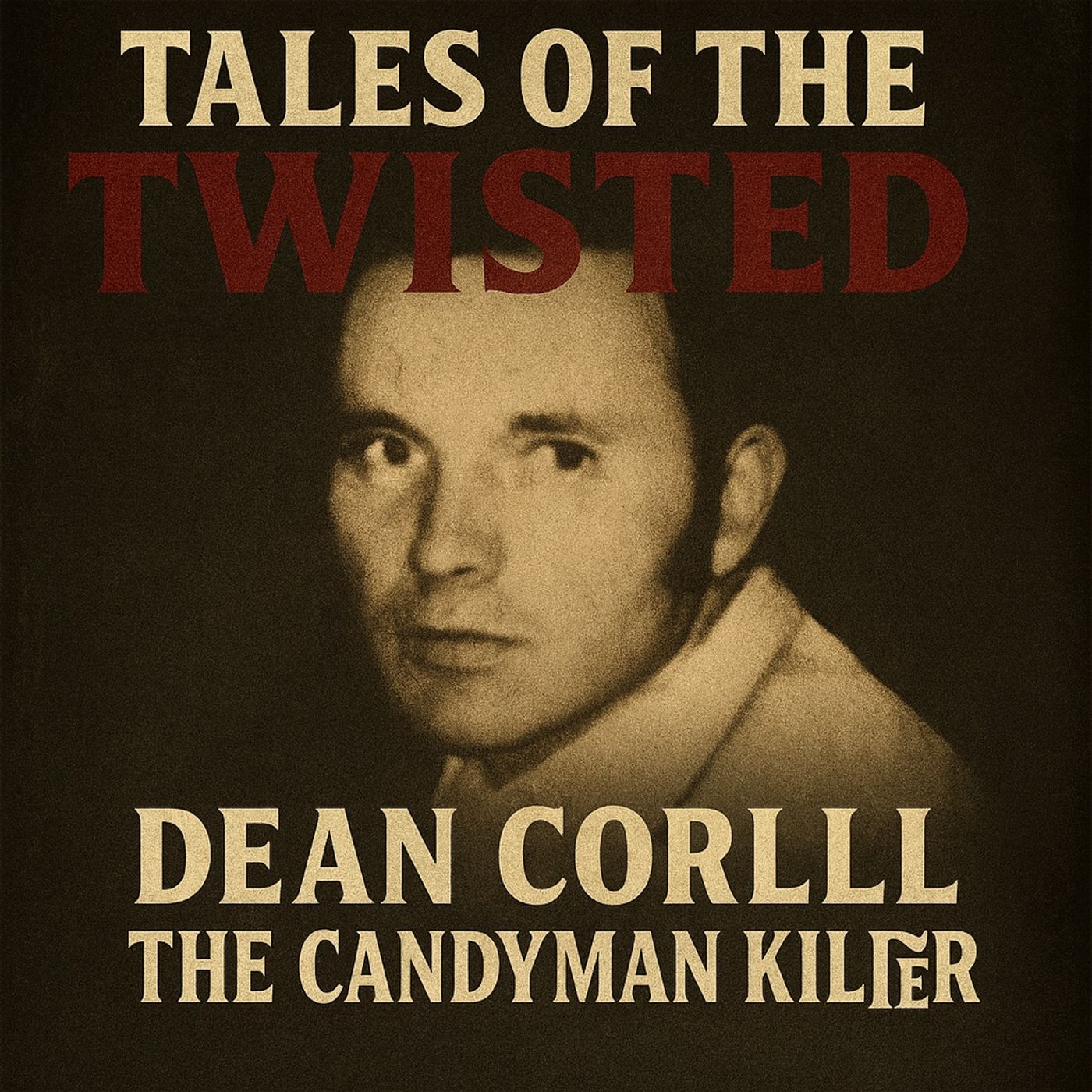
Dean Corll: The Candyman Killer
Episode Title:
Full Transcript
This is Tales of the Twisted. True stories of the strange, weird, bizarre, and eerie.
You know, some monsters hide behind masks. Others hide behind a smile. And in 1970s Houston, one man's smile lured dozens of boys to their deaths.
This is the true story of Dean Coral.
And let me just say right now, every time I try to say the name Coral, it comes out like Carl and I feel I sound like I'm what's his name from The Walking Dead. Coral, come here. So, I apologize.
Anyways, this is the true story of Dean Coral. The man the press would one day call the Candyman killer. A quiet neighbor with a candy shop and a secret that would shock the nation.
Dean Arnold Coral was born on Christmas Eve 1939 in Fort Wayne, Indiana. He was the first of two sons born to Mary Robinson and Arnold Coral. The marriage was rocky and the home kind of tense. His parents fought constantly and when Dean was seven, they divorced.
He grew up withdrawn, uncomfortable around people his own age, yet polite to adults. His mother described him as kind and gentle, but there was always something off.
After high school, Coral moved to Houston, where his mother opened a small candy business. Dean helped her make pralines and pecan treats, wrapping each piece by hand. The neighborhood kids loved the shop, and Dean, the quiet man behind the counter, loved the attention.
No one could have guessed that his nickname, the Candyman, would one day take on a horrifying new meaning.
By 1967, Coral's mother remarried, leaving Dean to run the candy company alone. So, he worked long hours, often hiring teenage boys from the neighborhood to help him out. He paid well and treated them like friends. Sometimes he invited them over to his apartment to play pool, drink beer, or just hang out.
He was the cool older guy, quiet, generous, and above all else, fun. But his interest in these boys went far beyond friendship.
When one of his employees complained that Coral made unwanted advances, his mother fired him. Not the employee, but her son.
And then the damage was done.
Dean left the candy business and began spending more time alone. It was around this time that he'd met David Brooks, who was a thin, shy boy, barely in his teens. And Brooks looked up to Coral like a father figure. Coral bought him gifts, let him hang out at the apartment, and slowly began to twist his sense of right and wrong.
By the time Brooks was in high school, Coral had complete control over him emotionally, psychologically, and financially.
He gave Brooks money, clothes, even a car. And then he began to involve him in darker things.
In 1970, the disappearances began.
15-year-old Jeffrey Konen was last seen hitchhiking in Houston, never to be seen again. He was Dean Coral's first known victim.
From that point forward, Coral seemed consumed by his fantasies. He moved from apartment to apartment, always within just a few miles of the candy factory, setting up rooms designed for isolation and torture.
He soundproofed the walls. He even built a long plywood torture board drilled with holes for ropes and shackles. This board would later become one of the most horrifying pieces of evidence in American crime history.
When Coral met Elmer Wayne Henley, another troubled Houston teen, he found someone even easier to manipulate. Henley was only 15 when Coral promised him money — $200 for every boy he could bring to him.
Henley thought he was helping Coral recruit runaways for a supposed human trafficking ring. He believed the boys were being sent to a secret organization that sold them overseas.
But none of them ever left Coral's home alive.
At first, both Henley and Brooks believed Coral's lies. Then they saw the truth and rather than run they stayed. They were trapped by guilt, fear, and greed.
For three years from 1970 to 1973, boys began disappearing from the same neighborhoods — Montrose, the Heights, Pasadena. They were classmates, friends, neighbors. Some vanished in pairs, others alone. A few were last seen getting into Coral's van.
The police didn't even connect the cases. Houston at that time was experiencing a surge in runaway teens, and law enforcement wrote off most of the disappearances as boys leaving home.
But the truth was that they were being lured one by one into Coral's home, never to return.
The crimes followed a terrifying pattern. Coral would offer rides, drugs, or money. Once inside, the boys were handcuffed to the torture board. He gagged them, bound them, and over hours, sometimes even days, tortured them before finally killing them, usually by strangulation.
Afterward, Brooks and Henley helped bury the bodies in remote locations — a rented boat shed, beaches near Galveston, and some wooded fields. Coral was meticulous. He kept souvenirs such as keys, shoes, or small personal items. He even took photos of his victims bound to the torture board, trophies of his cruelty.
By the summer of 1973, Henley had grown restless. He was no longer afraid of Coral, and actually he was disgusted by him. He claimed he was planning to escape Houston entirely.
But on August 8th, 1973, everything came to a head.
Henley invited two friends, 19-year-old Tim Kerley and 15-year-old Rhonda Williams, to Coral's home, not realizing that bringing a girl would enrage Coral.
When they arrived, Coral flew into a rage, accusing Henley of betraying him. He then tied up all three at gunpoint and threatened to kill them.
Henley, panicking, pleaded with Coral to let him go. He said he would help kill the other ones for him. Coral then untied him, but as soon as Coral turned his back, Henley grabbed the pistol, shot him six times, killing him instantly.
The nightmare was finally over.
Or was it?
When police arrived, Henley immediately confessed. He led them to the rented boat shed south of Houston, where they found the first body, then another, and another, and another. The ground was filled with shallow graves, each one containing the remains of a young boy — many of them still had their hands bound with nylon rope.
Over the following weeks, more graves were discovered in Galveston, in nearby woods, even along a lake. By the end of the investigation, **27 victims** had been confirmed. Detectives believe there could be more.
The story horrified the nation. Houston, once known as a growing modern city, became synonymous with horror. Reporters called it the Houston Mass Murders. It was at the time the largest serial murder case in American history.
Parents began chaining doors, keeping children indoors after dark. Newspapers published front-page photos of the smiling victims — boys who looked so ordinary, so alive. The idea that a nice man who handed out candy could commit such atrocities broke the city's sense of safety forever.
In 1974, both Elmer Wayne Henley and David Brooks stood trial for their roles in the murders. Henley testified in shocking detail, describing how Coral lured, bound, and killed each victim. He claimed he was both a participant and a prisoner, saying, "I didn't want to be there, but I was trapped. I was scared of him. We all were."
The jury wasn't sympathetic. Henley was sentenced to six consecutive life terms. Brooks received life in prison as well. To this day, both men remain incarcerated.
Dean Coral's death marked the end of a nightmare, but not the end of pain. For decades, families of the victims have continued to hold vigils, searching for closure. Even now, investigators believe there still may be unidentified victims buried somewhere in southeast Texas — forgotten graves beneath concrete and overgrowth.
And the name Dean Coral still echoes through Houston like a curse. A quiet man. A candy maker. A serial killer.
Proof that sometimes the monsters who haunt us most are the ones who look the most ordinary.
You've been listening to Tales of the Twisted, true stories of the strange, weird, bizarre, and eerie. If you found this story chilling, follow the show and share it with someone who loves the dark side of true crime. Because sometimes the truth isn't just stranger than fiction — it's far more twisted.
You know, some monsters hide behind masks. Others hide behind a smile. And in 1970s Houston, one man's smile lured dozens of boys to their deaths.
This is the true story of Dean Coral.
And let me just say right now, every time I try to say the name Coral, it comes out like Carl and I feel I sound like I'm what's his name from The Walking Dead. Coral, come here. So, I apologize.
Anyways, this is the true story of Dean Coral. The man the press would one day call the Candyman killer. A quiet neighbor with a candy shop and a secret that would shock the nation.
Dean Arnold Coral was born on Christmas Eve 1939 in Fort Wayne, Indiana. He was the first of two sons born to Mary Robinson and Arnold Coral. The marriage was rocky and the home kind of tense. His parents fought constantly and when Dean was seven, they divorced.
He grew up withdrawn, uncomfortable around people his own age, yet polite to adults. His mother described him as kind and gentle, but there was always something off.
After high school, Coral moved to Houston, where his mother opened a small candy business. Dean helped her make pralines and pecan treats, wrapping each piece by hand. The neighborhood kids loved the shop, and Dean, the quiet man behind the counter, loved the attention.
No one could have guessed that his nickname, the Candyman, would one day take on a horrifying new meaning.
By 1967, Coral's mother remarried, leaving Dean to run the candy company alone. So, he worked long hours, often hiring teenage boys from the neighborhood to help him out. He paid well and treated them like friends. Sometimes he invited them over to his apartment to play pool, drink beer, or just hang out.
He was the cool older guy, quiet, generous, and above all else, fun. But his interest in these boys went far beyond friendship.
When one of his employees complained that Coral made unwanted advances, his mother fired him. Not the employee, but her son.
And then the damage was done.
Dean left the candy business and began spending more time alone. It was around this time that he'd met David Brooks, who was a thin, shy boy, barely in his teens. And Brooks looked up to Coral like a father figure. Coral bought him gifts, let him hang out at the apartment, and slowly began to twist his sense of right and wrong.
By the time Brooks was in high school, Coral had complete control over him emotionally, psychologically, and financially.
He gave Brooks money, clothes, even a car. And then he began to involve him in darker things.
In 1970, the disappearances began.
15-year-old Jeffrey Konen was last seen hitchhiking in Houston, never to be seen again. He was Dean Coral's first known victim.
From that point forward, Coral seemed consumed by his fantasies. He moved from apartment to apartment, always within just a few miles of the candy factory, setting up rooms designed for isolation and torture.
He soundproofed the walls. He even built a long plywood torture board drilled with holes for ropes and shackles. This board would later become one of the most horrifying pieces of evidence in American crime history.
When Coral met Elmer Wayne Henley, another troubled Houston teen, he found someone even easier to manipulate. Henley was only 15 when Coral promised him money — $200 for every boy he could bring to him.
Henley thought he was helping Coral recruit runaways for a supposed human trafficking ring. He believed the boys were being sent to a secret organization that sold them overseas.
But none of them ever left Coral's home alive.
At first, both Henley and Brooks believed Coral's lies. Then they saw the truth and rather than run they stayed. They were trapped by guilt, fear, and greed.
For three years from 1970 to 1973, boys began disappearing from the same neighborhoods — Montrose, the Heights, Pasadena. They were classmates, friends, neighbors. Some vanished in pairs, others alone. A few were last seen getting into Coral's van.
The police didn't even connect the cases. Houston at that time was experiencing a surge in runaway teens, and law enforcement wrote off most of the disappearances as boys leaving home.
But the truth was that they were being lured one by one into Coral's home, never to return.
The crimes followed a terrifying pattern. Coral would offer rides, drugs, or money. Once inside, the boys were handcuffed to the torture board. He gagged them, bound them, and over hours, sometimes even days, tortured them before finally killing them, usually by strangulation.
Afterward, Brooks and Henley helped bury the bodies in remote locations — a rented boat shed, beaches near Galveston, and some wooded fields. Coral was meticulous. He kept souvenirs such as keys, shoes, or small personal items. He even took photos of his victims bound to the torture board, trophies of his cruelty.
By the summer of 1973, Henley had grown restless. He was no longer afraid of Coral, and actually he was disgusted by him. He claimed he was planning to escape Houston entirely.
But on August 8th, 1973, everything came to a head.
Henley invited two friends, 19-year-old Tim Kerley and 15-year-old Rhonda Williams, to Coral's home, not realizing that bringing a girl would enrage Coral.
When they arrived, Coral flew into a rage, accusing Henley of betraying him. He then tied up all three at gunpoint and threatened to kill them.
Henley, panicking, pleaded with Coral to let him go. He said he would help kill the other ones for him. Coral then untied him, but as soon as Coral turned his back, Henley grabbed the pistol, shot him six times, killing him instantly.
The nightmare was finally over.
Or was it?
When police arrived, Henley immediately confessed. He led them to the rented boat shed south of Houston, where they found the first body, then another, and another, and another. The ground was filled with shallow graves, each one containing the remains of a young boy — many of them still had their hands bound with nylon rope.
Over the following weeks, more graves were discovered in Galveston, in nearby woods, even along a lake. By the end of the investigation, **27 victims** had been confirmed. Detectives believe there could be more.
The story horrified the nation. Houston, once known as a growing modern city, became synonymous with horror. Reporters called it the Houston Mass Murders. It was at the time the largest serial murder case in American history.
Parents began chaining doors, keeping children indoors after dark. Newspapers published front-page photos of the smiling victims — boys who looked so ordinary, so alive. The idea that a nice man who handed out candy could commit such atrocities broke the city's sense of safety forever.
In 1974, both Elmer Wayne Henley and David Brooks stood trial for their roles in the murders. Henley testified in shocking detail, describing how Coral lured, bound, and killed each victim. He claimed he was both a participant and a prisoner, saying, "I didn't want to be there, but I was trapped. I was scared of him. We all were."
The jury wasn't sympathetic. Henley was sentenced to six consecutive life terms. Brooks received life in prison as well. To this day, both men remain incarcerated.
Dean Coral's death marked the end of a nightmare, but not the end of pain. For decades, families of the victims have continued to hold vigils, searching for closure. Even now, investigators believe there still may be unidentified victims buried somewhere in southeast Texas — forgotten graves beneath concrete and overgrowth.
And the name Dean Coral still echoes through Houston like a curse. A quiet man. A candy maker. A serial killer.
Proof that sometimes the monsters who haunt us most are the ones who look the most ordinary.
You've been listening to Tales of the Twisted, true stories of the strange, weird, bizarre, and eerie. If you found this story chilling, follow the show and share it with someone who loves the dark side of true crime. Because sometimes the truth isn't just stranger than fiction — it's far more twisted.
bottom of page