top of page

Tales of the twisted
podcast
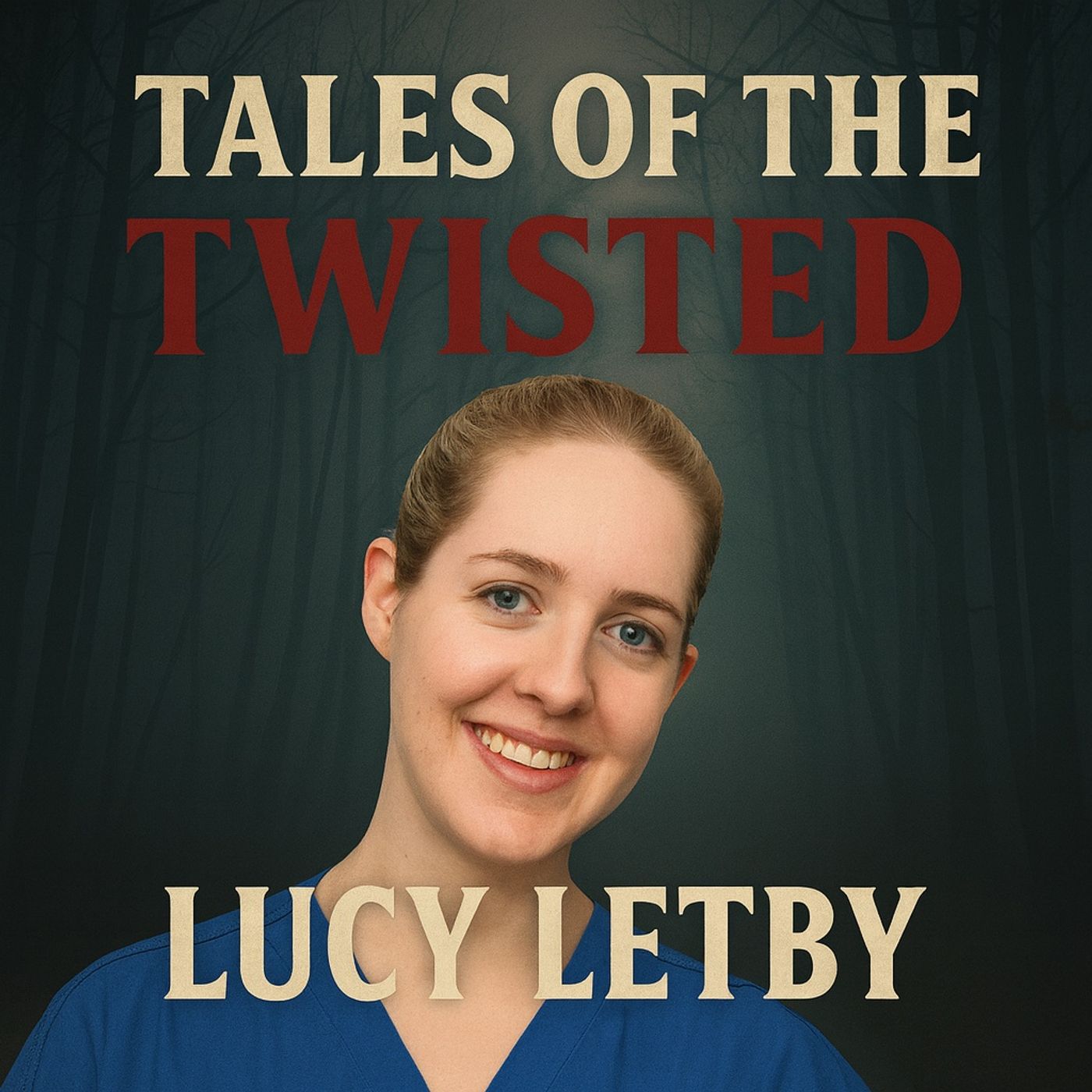
Lucy Letby: The Nurse at the Center of a Nightmare
Episode Title:
Full Transcript
This is Tales of the Twisted. True stories of the strange, weird, bizarre, and eerie.
Today's story takes place in the one place we're taught to believe is the safest — the Neonatal Ward. A place where premature infants fight for their first breaths, where exhausted parents cling to hope, and where nurses are trusted with the smallest, most fragile human lives.
But in 2015, inside the Countess of Chester Hospital in Northwest England, something went terribly wrong. Babies began coding. Babies began dying. And suspicion began to fall on someone who should have been their protector.
What followed would become one of the most shocking, controversial, and divisive criminal cases in British history.
This is the dark, unraveling story of Lucy Letby.
Before we begin, let me say — there are a lot of facts in this case. Facts that may feel monotonous or overwhelming. But every detail matters, because by the end, what you think you know may no longer seem certain.
Lucy Letby was born on January 4th, 1990, in Hereford, UK. The only child of a furniture salesman and an accounts clerk. She grew up shy, studious, and determined. A childhood friend later said she wanted to be a neonatal nurse because she herself had survived a difficult birth. She believed she owed her life to the nurses who cared for her.
Letby followed that dream to the University of Chester, where she trained in child nursing. Her placements took her to Liverpool Women’s Hospital and the Countess of Chester Hospital. She initially struggled, failing her final student placement until requesting a new assessor. Still, she graduated in 2011 with a Bachelor of Science in Nursing.
By January 2012, she was fully qualified. A neonatal nurse — a job she had wanted since childhood.
She rented apartments, made friends, worked long shifts, and appeared to be the kind of nurse everyone wanted on their unit: eager, involved, friendly. She even participated in fundraising campaigns for a new neonatal ward.
But cracks quietly appeared long before anyone noticed.
In 2013, Letby and a senior nurse set a morphine infusion rate ten times too high for a newborn. She was suspended from handling controlled drugs for a week.
In 2016, she administered antibiotics to an infant who had not been prescribed them. She dismissed it as a minor error.
By then, she had completed neonatal intensive care training and was qualified to work with the sickest infants. Colleagues later said Letby sometimes complained that caring for healthier babies was “boring.” She preferred high-acuity cases.
No one yet realized how important that detail would become.
The year was 2015. Three years into her career, Letby was working full-time on the neonatal unit — a unit struggling with short staffing, overstretch, and increasingly premature infants.
Then, in June 2015, something happened that shook the ward.
Within days, four infants coded. Three died.
The unit typically saw two or three deaths a year. Now three had occurred in rapid succession.
An informal review began. They noted something unusual: Lucy Letby had been on shift for all of the incidents. But at the time, this wasn’t seen as suspicious — she often volunteered for extra shifts due to staffing shortages.
The deaths were classified as “medication errors.” The unit was told to improve staffing.
Life resumed.
Letby kept working.
And the coding continued.
As 2015 turned into 2016, consultants grew uneasy. Babies who should have been stable suddenly deteriorated. Recovering infants coded without warning. Some bled unexpectedly. Some developed unusual skin mottling doctors couldn't explain.
And nearly every time… Lucy Letby was there.
In February 2016, a consultant walked in to find a baby coding — with Letby standing beside him, not intervening. The child survived.
Between March and June 2016, three more infants nearly died. Then came the triplets — healthy boys born in good condition. Within two days, two were dead.
Consultants were horrified. They begged management to take Letby off the ward.
They were told not to “make a fuss.”
The deaths mounted. The pattern formed. Management resisted. Doctors were silenced.
By June 2016, clinicians were desperate. More codes. More deaths. More unexplained events. After returning from a holiday in Ibiza, Letby resumed her shifts — and almost immediately, two more infants died.
On June 24th, 2016, lead neonatologist Stephen Brearey phoned the executive on duty. He pleaded again for Letby to be removed.
The executive refused.
Letby stayed on duty.
But the pressure was rising. Mortality rates had doubled. Consultants demanded action. Executives decided to start a review through the Royal College of Paediatrics — instead of calling the police.
Finally, on June 30th, 2016, Letby was quietly removed from the ward.
On July 7th, the unit scaled back operations. Fewer cots. No more high-acuity infants.
After that… the unexpected deaths stopped.
The Royal College’s review began in September. It found no clear cause for the deaths — but noted severe staffing shortages. It also praised Letby’s skills and called concerns “subjective.”
Then something shocking happened.
In December 2016, the hospital’s chief executive apologized to Lucy Letby — and to her parents. Doctors were forced to write Letby letters of apology.
The consultants were warned to stop raising concerns.
In January 2017, Letby's grievance was upheld. Management claimed she had been unfairly targeted.
The consultants refused to accept it.
On April 27th, 2017, they went directly to police.
Operation Hummingbird began.
Police reviewed 61 cases. Medical notes, autopsy reports, blood gases, imaging — everything. Expert panels were assembled. Gradually, 22 cases were deemed suspicious enough for charges.
On July 3rd, 2018, Lucy Letby was arrested.
Police searched her home and her parents’ home. They found nursing handover sheets, blood gas records, medical notes… and handwritten messages:
“I am evil.”
“I did this.”
“I killed them on purpose.”
“Help me.”
“I don’t know if I killed them. Maybe I did.”
The prosecution called them confessions.
The defense called them the writings of a traumatized young woman under investigation.
Letby was bailed, rearrested, then finally charged with seven murders and 15 attempted murders.
Her trial began in October 2022.
The prosecution alleged she killed infants through air injection, insulin poisoning, overfeeding, physical trauma, displaced breathing tubes, and falsified records — and that she was the only common factor.
The defense argued the unit was understaffed, unsafe, unsanitary, and chaotic — and that Letby was being scapegoated.
Letby testified. She cried at times, appeared emotionless at others. Observers drew their own conclusions. But the case would hinge not on emotion — but on evidence.
The prosecution described Baby E’s bleeding and Baby F’s insulin poisoning. They showed charts placing Letby at 25 medical crises. They revealed she searched grieving parents online. They showed messages she sent colleagues during codes.
The defense argued the charts were flawed, the insulin tests error-prone, the air embolism diagnosis speculative, and neonatal care inherently risky in premature infants.
Doctors contradicted each other. Pathologists disagreed. Medical experts clashed.
But the jury deliberated — and on August 18th, 2023, they delivered their verdict.
Guilty of seven murders.
Guilty of seven attempted murders.
Not guilty on two charges.
No verdict on six charges.
She was sentenced to a whole-life order — one of only four women in UK history to receive it.
But the story did not end.
Appeals followed. All rejected.
A retrial on one attempted murder charge in 2024 led to another guilty verdict — and another whole-life order.
Then came the aftershocks.
A statutory inquiry began. Three senior hospital executives were arrested for gross negligence manslaughter. Police opened new investigations into 30 additional infants. Experts worldwide challenged the evidence.
A 2024–2025 expert panel concluded there was **no medical evidence of deliberate harm** — that all deaths and collapses could be explained by natural causes or substandard care.
The medical community split in two.
Was Lucy Letby a calculating serial killer who hid in plain sight?
Or was she a young nurse caught in the collapse of a failing hospital — blamed through flawed statistics, uncertain medicine, and institutional panic?
The truth now lies in a tangled web of medicine, error, statistics, fear, and institutional failure — a web so complex that even experts cannot agree.
For now, Lucy Letby sits in prison. The hospital faces criminal investigation. Executives face potential charges. The inquiry continues.
And the truth… remains uncertain.
This has been Tales of the Twisted — true stories of the strange, weird, bizarre, and eerie.
If you found this episode compelling, follow the show, leave a rating, and share it with someone who seeks truth hidden in the shadows.
Until then, stay aware, stay curious, and remember — the truth is often far more terrifying than fiction.
Today's story takes place in the one place we're taught to believe is the safest — the Neonatal Ward. A place where premature infants fight for their first breaths, where exhausted parents cling to hope, and where nurses are trusted with the smallest, most fragile human lives.
But in 2015, inside the Countess of Chester Hospital in Northwest England, something went terribly wrong. Babies began coding. Babies began dying. And suspicion began to fall on someone who should have been their protector.
What followed would become one of the most shocking, controversial, and divisive criminal cases in British history.
This is the dark, unraveling story of Lucy Letby.
Before we begin, let me say — there are a lot of facts in this case. Facts that may feel monotonous or overwhelming. But every detail matters, because by the end, what you think you know may no longer seem certain.
Lucy Letby was born on January 4th, 1990, in Hereford, UK. The only child of a furniture salesman and an accounts clerk. She grew up shy, studious, and determined. A childhood friend later said she wanted to be a neonatal nurse because she herself had survived a difficult birth. She believed she owed her life to the nurses who cared for her.
Letby followed that dream to the University of Chester, where she trained in child nursing. Her placements took her to Liverpool Women’s Hospital and the Countess of Chester Hospital. She initially struggled, failing her final student placement until requesting a new assessor. Still, she graduated in 2011 with a Bachelor of Science in Nursing.
By January 2012, she was fully qualified. A neonatal nurse — a job she had wanted since childhood.
She rented apartments, made friends, worked long shifts, and appeared to be the kind of nurse everyone wanted on their unit: eager, involved, friendly. She even participated in fundraising campaigns for a new neonatal ward.
But cracks quietly appeared long before anyone noticed.
In 2013, Letby and a senior nurse set a morphine infusion rate ten times too high for a newborn. She was suspended from handling controlled drugs for a week.
In 2016, she administered antibiotics to an infant who had not been prescribed them. She dismissed it as a minor error.
By then, she had completed neonatal intensive care training and was qualified to work with the sickest infants. Colleagues later said Letby sometimes complained that caring for healthier babies was “boring.” She preferred high-acuity cases.
No one yet realized how important that detail would become.
The year was 2015. Three years into her career, Letby was working full-time on the neonatal unit — a unit struggling with short staffing, overstretch, and increasingly premature infants.
Then, in June 2015, something happened that shook the ward.
Within days, four infants coded. Three died.
The unit typically saw two or three deaths a year. Now three had occurred in rapid succession.
An informal review began. They noted something unusual: Lucy Letby had been on shift for all of the incidents. But at the time, this wasn’t seen as suspicious — she often volunteered for extra shifts due to staffing shortages.
The deaths were classified as “medication errors.” The unit was told to improve staffing.
Life resumed.
Letby kept working.
And the coding continued.
As 2015 turned into 2016, consultants grew uneasy. Babies who should have been stable suddenly deteriorated. Recovering infants coded without warning. Some bled unexpectedly. Some developed unusual skin mottling doctors couldn't explain.
And nearly every time… Lucy Letby was there.
In February 2016, a consultant walked in to find a baby coding — with Letby standing beside him, not intervening. The child survived.
Between March and June 2016, three more infants nearly died. Then came the triplets — healthy boys born in good condition. Within two days, two were dead.
Consultants were horrified. They begged management to take Letby off the ward.
They were told not to “make a fuss.”
The deaths mounted. The pattern formed. Management resisted. Doctors were silenced.
By June 2016, clinicians were desperate. More codes. More deaths. More unexplained events. After returning from a holiday in Ibiza, Letby resumed her shifts — and almost immediately, two more infants died.
On June 24th, 2016, lead neonatologist Stephen Brearey phoned the executive on duty. He pleaded again for Letby to be removed.
The executive refused.
Letby stayed on duty.
But the pressure was rising. Mortality rates had doubled. Consultants demanded action. Executives decided to start a review through the Royal College of Paediatrics — instead of calling the police.
Finally, on June 30th, 2016, Letby was quietly removed from the ward.
On July 7th, the unit scaled back operations. Fewer cots. No more high-acuity infants.
After that… the unexpected deaths stopped.
The Royal College’s review began in September. It found no clear cause for the deaths — but noted severe staffing shortages. It also praised Letby’s skills and called concerns “subjective.”
Then something shocking happened.
In December 2016, the hospital’s chief executive apologized to Lucy Letby — and to her parents. Doctors were forced to write Letby letters of apology.
The consultants were warned to stop raising concerns.
In January 2017, Letby's grievance was upheld. Management claimed she had been unfairly targeted.
The consultants refused to accept it.
On April 27th, 2017, they went directly to police.
Operation Hummingbird began.
Police reviewed 61 cases. Medical notes, autopsy reports, blood gases, imaging — everything. Expert panels were assembled. Gradually, 22 cases were deemed suspicious enough for charges.
On July 3rd, 2018, Lucy Letby was arrested.
Police searched her home and her parents’ home. They found nursing handover sheets, blood gas records, medical notes… and handwritten messages:
“I am evil.”
“I did this.”
“I killed them on purpose.”
“Help me.”
“I don’t know if I killed them. Maybe I did.”
The prosecution called them confessions.
The defense called them the writings of a traumatized young woman under investigation.
Letby was bailed, rearrested, then finally charged with seven murders and 15 attempted murders.
Her trial began in October 2022.
The prosecution alleged she killed infants through air injection, insulin poisoning, overfeeding, physical trauma, displaced breathing tubes, and falsified records — and that she was the only common factor.
The defense argued the unit was understaffed, unsafe, unsanitary, and chaotic — and that Letby was being scapegoated.
Letby testified. She cried at times, appeared emotionless at others. Observers drew their own conclusions. But the case would hinge not on emotion — but on evidence.
The prosecution described Baby E’s bleeding and Baby F’s insulin poisoning. They showed charts placing Letby at 25 medical crises. They revealed she searched grieving parents online. They showed messages she sent colleagues during codes.
The defense argued the charts were flawed, the insulin tests error-prone, the air embolism diagnosis speculative, and neonatal care inherently risky in premature infants.
Doctors contradicted each other. Pathologists disagreed. Medical experts clashed.
But the jury deliberated — and on August 18th, 2023, they delivered their verdict.
Guilty of seven murders.
Guilty of seven attempted murders.
Not guilty on two charges.
No verdict on six charges.
She was sentenced to a whole-life order — one of only four women in UK history to receive it.
But the story did not end.
Appeals followed. All rejected.
A retrial on one attempted murder charge in 2024 led to another guilty verdict — and another whole-life order.
Then came the aftershocks.
A statutory inquiry began. Three senior hospital executives were arrested for gross negligence manslaughter. Police opened new investigations into 30 additional infants. Experts worldwide challenged the evidence.
A 2024–2025 expert panel concluded there was **no medical evidence of deliberate harm** — that all deaths and collapses could be explained by natural causes or substandard care.
The medical community split in two.
Was Lucy Letby a calculating serial killer who hid in plain sight?
Or was she a young nurse caught in the collapse of a failing hospital — blamed through flawed statistics, uncertain medicine, and institutional panic?
The truth now lies in a tangled web of medicine, error, statistics, fear, and institutional failure — a web so complex that even experts cannot agree.
For now, Lucy Letby sits in prison. The hospital faces criminal investigation. Executives face potential charges. The inquiry continues.
And the truth… remains uncertain.
This has been Tales of the Twisted — true stories of the strange, weird, bizarre, and eerie.
If you found this episode compelling, follow the show, leave a rating, and share it with someone who seeks truth hidden in the shadows.
Until then, stay aware, stay curious, and remember — the truth is often far more terrifying than fiction.
bottom of page